


Small Berry, Big Benefits: Why Blueberries Can Be Good for Your Heart 🫐❤️
- 4 days ago
- 5 min read
When we think about foods that are good for the heart, oats, fish and vegetables often come to mind. But there’s another small addition worth considering: Blueberries 🫐
These tiny blue-purple berries contain fibre, vitamins, minerals and naturally occurring plant compounds called anthocyanins—the pigments responsible for their distinctive colour.
Research has linked diets rich in berries and other plant foods with several markers of cardiovascular health, including healthier blood pressure, cholesterol levels and blood-vessel function.
But are blueberries really a “superfood” for your heart?
They can certainly be a nutritious addition—but there’s more to the story than simply eating a handful every day.

What Makes Blueberries Nutritious?
One cup (approximately 148 g) of fresh blueberries provides around:
84 calories
3.6 g of fibre
14.4 mg of vitamin C
28.6 mcg of vitamin K
0.5 mg of manganese
Less than 0.5 g of fat
No cholesterol
Blueberries are also particularly well known for their anthocyanins, a family of antioxidant plant compounds.
Rather than thinking of blueberries as a miracle food, think of them as a nutrient-dense ingredient that can contribute to a balanced, heart-friendly eating pattern.
Here’s how.
1. They Can Help Support Healthy Cholesterol Levels
High LDL or “bad” cholesterol is an important risk factor for cardiovascular disease.
Blueberries contain dietary fibre, including soluble fibre. Soluble fibre can help reduce cholesterol absorption in the digestive system and support healthier cholesterol levels when consumed as part of an overall balanced diet.
The problem is that many of us simply don’t eat enough fibre.
Increasing your intake doesn’t have to mean completely changing the way you eat. Adding more fruits, vegetables, whole grains, legumes, nuts and seeds throughout the day can gradually increase your fibre intake.
Try this:

Add a handful of blueberries to your morning oats instead of adding extra sugar or syrup.
You’ll get sweetness plus fibre and other nutrients at the same time.
2. They May Support Better Blood Sugar Control
Fruit contains naturally occurring sugars, so people with diabetes sometimes worry that they need to avoid it altogether.
That’s not necessarily the case.
Whole blueberries contain fibre and plant compounds, and research suggests they may have beneficial effects on glucose and insulin responses.
This matters for heart health because diabetes and cardiovascular disease are closely connected. Persistently high blood sugar can damage blood vessels over time and increase cardiovascular risk.
However, blueberries aren’t a treatment for diabetes, and portion size still matters.
It’s also important to distinguish between whole blueberries and blueberry-flavoured foods.
A blueberry muffin, blueberry cheesecake or sweetened blueberry drink may contain substantial amounts of added sugar and saturated fat. Having “blueberry” in the name doesn’t automatically make something heart-healthy.
3. Their Antioxidants Help Protect Your Cells
Every day, our bodies experience something called oxidative stress.
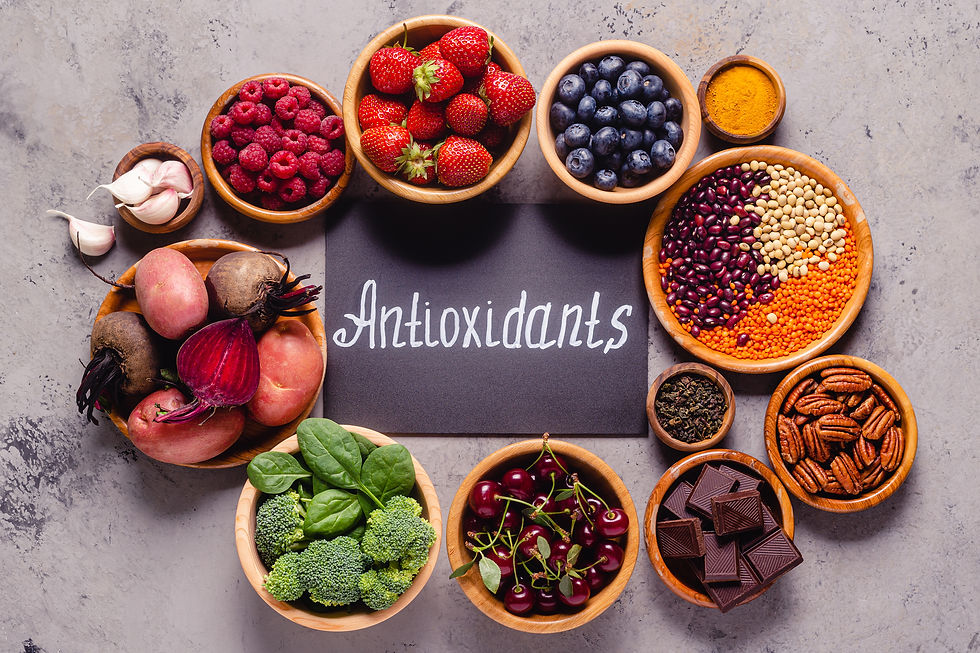
It happens when there’s an imbalance between unstable molecules known as free radicals and the body’s ability to neutralise them with antioxidants.
Long-term oxidative stress is associated with inflammation and cellular damage and is thought to contribute to the development of cardiovascular and other chronic diseases.
Blueberries contain high concentrations of anthocyanins and other polyphenols with antioxidant properties.
Think of antioxidants as part of your body’s wider defence system—not something that
completely prevents damage, but something that helps support normal protective processes.
And blueberries aren’t the only source.
Colourful plant foods generally provide different combinations of antioxidants, which is one reason dietary variety matters.
4. Blueberries May Help Your Blood Vessels Work Better
Healthy arteries aren’t completely rigid. They need to expand and relax appropriately as blood moves through the body.
Research suggests that compounds in blueberries may support endothelial function—essentially, how well the inner lining of our blood vessels functions.
Anthocyanins and related compounds may also support the body’s production and availability of nitric oxide, which helps blood vessels relax.
This could partly explain why regular berry consumption has been associated with healthier blood pressure and cardiovascular outcomes in some studies.
However, the research is still evolving. Blueberries should complement—not replace—established strategies for controlling high blood pressure, such as reducing excess sodium, staying physically active, maintaining a healthy weight and taking prescribed medication when necessary.
5. They Make Heart-Healthy Eating Easier
One underrated advantage of blueberries is convenience.
There’s no peeling, chopping or complicated preparation.
Wash them and they’re ready to eat.

Try adding blueberries to:
🥣 Breakfast — oats or whole-grain cereal
🥛 Yogurt — plain Greek or low-sugar yogurt
🥤 Smoothies — blended with unsweetened milk or yogurt
🥗 Salads — surprisingly good with leafy greens, nuts and seeds
🥜 Snacks — pair them with a small handful of unsalted nuts
🧊 Frozen treats — enjoy frozen blueberries instead of highly sweetened desserts
Fresh berries are excellent, but frozen blueberries can also be a nutritious and convenient option, particularly when fresh berries are expensive or unavailable.
Choose frozen berries without added sugar whenever possible.
But Blueberries Can Be Expensive in Malaysia. Do You Really Need Them?
No—and this is important. You don’t need to eat blueberries every day to have a healthy heart.
Malaysia has plenty of nutritious fruits that can form part of a heart-friendly diet.
Consider rotating blueberries with options such as:
Guava
Papaya
Dragon fruit
Oranges
Watermelon
Pineapple
Bananas

Different fruits provide different combinations of fibre, vitamins, minerals and phytochemicals.
Instead of searching for one perfect “superfood”, aim to eat a variety of colourful fruits and vegetables throughout the week.
Your overall dietary pattern matters far more than any single ingredient.
Think “Colourful Plate”, Not “Superfood”
It’s tempting to believe that adding one healthy food can compensate for an otherwise unhealthy diet.
Unfortunately, nutrition doesn’t quite work that way.
Eating blueberries every morning won’t cancel out a diet consistently high in fried foods, processed meats, sugary drinks, excess sodium and saturated fat.
For better cardiovascular health, focus on the bigger picture:
✅ Eat more: Vegetables, fruits, whole grains, legumes, nuts, seeds, fish and other lean protein sources.
❌ Eat less often: Highly processed foods, sugary drinks, excessive sodium, processed meats and foods high in saturated or trans fats.
And combine healthy eating with regular physical activity, adequate sleep, stress management and routine health screening.
Know Your Numbers, Too ❤️
Food is only one part of protecting your heart.
High blood pressure, high cholesterol and elevated blood sugar can develop without obvious symptoms.
That’s why knowing important health indicators such as your:
Blood Pressure • Blood Glucose • Cholesterol • Waist Circumference • Body Weight
can provide a clearer picture of your cardiovascular health.
If you have access to health assessments or screening through KAMICare, take the opportunity to understand your results rather than simply completing the screening and forgetting about them.
The value isn’t only in knowing your numbers—it’s understanding what they mean and deciding what small changes you can make next.
The Bottom Line
So, should you start eating blueberries for your heart?
They’re certainly worth including if you enjoy them.

Blueberries provide fibre, vitamins, minerals and antioxidant-rich plant compounds that may support healthy cholesterol, blood sugar, blood pressure and blood-vessel function.
But you don’t need to chase a particular “superfood” to protect your heart.
The strongest approach is much simpler:
Eat a variety of nutritious foods, move regularly, don’t smoke, get enough sleep, manage stress and keep track of important health indicators.
A handful of blueberries can be one small part of that bigger picture.
Because when it comes to heart health, it’s rarely one food that makes the difference—it’s the habits you build around it.
Sources
Everyday Health. Why Blueberries Are the Superfood for Your Heart.
U.S. Department of Agriculture (USDA), FoodData Central. Blueberries, Raw — Nutrient Profile.
American Heart Association (AHA). Dietary Recommendations for Cardiovascular Health.
Cleveland Clinic. Health Benefits of Blueberries.
National Institutes of Health (NIH), Office of Dietary Supplements. Vitamin C, Vitamin K and Manganese.
World Health Organization (WHO). Healthy Diet.


Comments